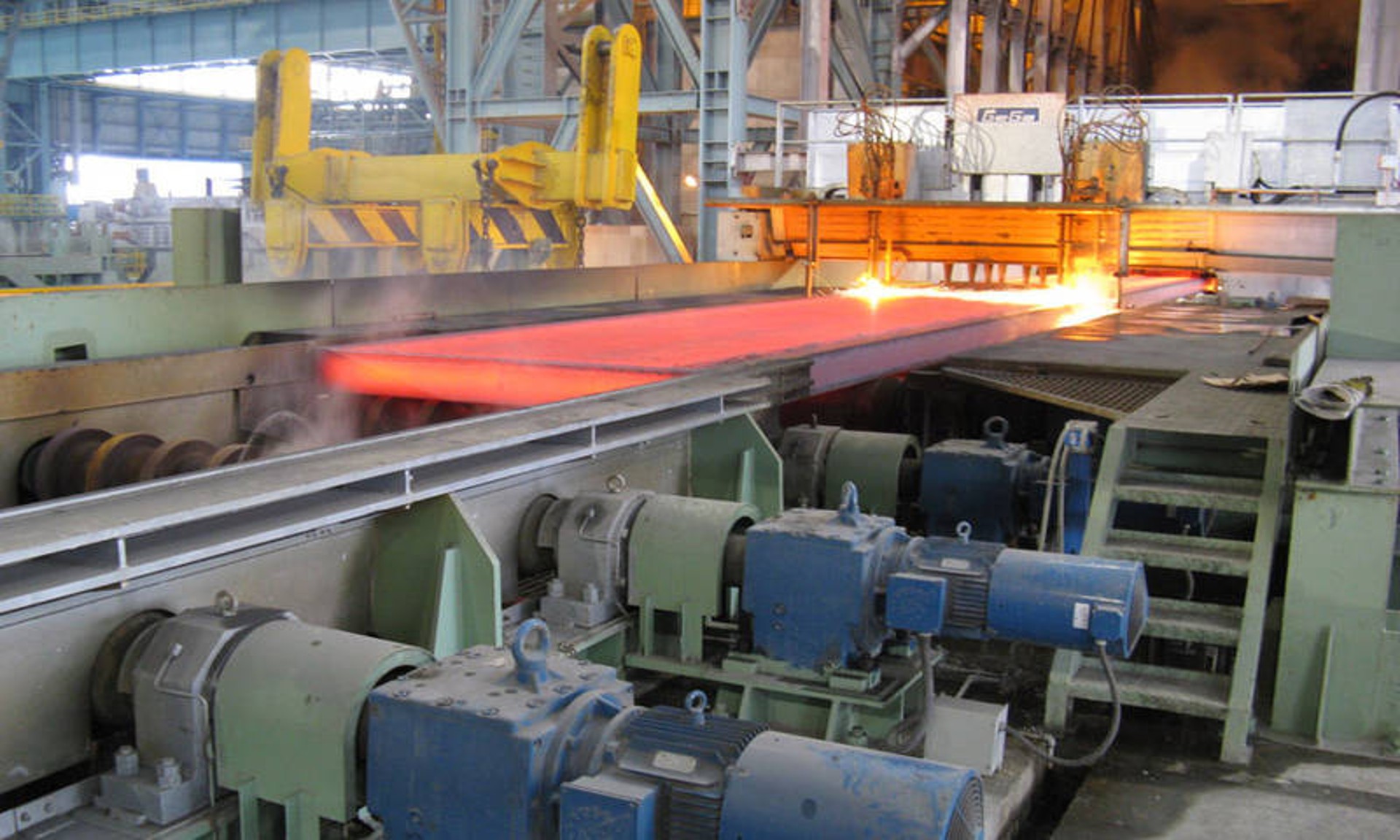





The Lifeline of Modern Industry: Unlocking the Power of Pipeline Transportation
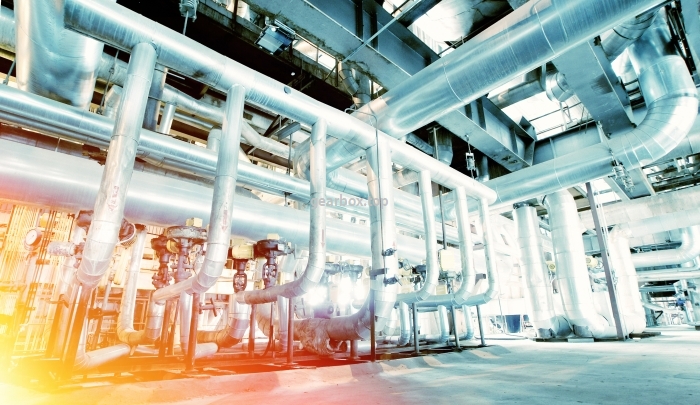
What Is Pipeline Transportation?
Pipeline transportation refers to the method of conveying fluids, such as oil, natural gas, water, or chemicals, through a network of pipes over long distances. It is a highly efficient and cost-effective mode of transport, especially for bulk quantities, minimizing human intervention and reducing environmental impact compared to alternatives like trucks or ships. In today's interconnected world, pipelines form the backbone of energy supply chains, ensuring reliable delivery from production sites to refineries, distribution centers, and end-users.
Key Advantages of Pipeline Systems
One of the primary benefits of pipeline transportation is its safety and reliability. By operating continuously with automated controls, pipelines reduce the risk of accidents associated with road or rail transport, such as spills or collisions. Additionally, they offer significant economic advantages: once installed, pipelines have low operational costs and can handle large volumes efficiently, making them ideal for long-term projects. For instance, in the oil and gas industry, pipelines enable steady supply to meet global demand, supporting everything from heating homes to fueling vehicles.
The Role of Four Sea Supply Chain in Pipeline Logistics
Companies like Four Sea Supply Chain play a pivotal role in enhancing pipeline transportation through integrated logistics solutions. They manage the complex coordination required for pipeline projects, from sourcing materials and equipment to overseeing construction and maintenance. By leveraging advanced technologies, such as real-time monitoring and data analytics, Four Sea Supply Chain helps optimize pipeline operations, ensuring minimal downtime and maximum efficiency. Their expertise ensures that pipelines are not just built but maintained to high standards, contributing to sustainable and resilient supply networks.
Challenges and Innovations in Pipeline Technology
Despite its advantages, pipeline transportation faces challenges, including environmental concerns, regulatory hurdles, and the need for regular maintenance to prevent leaks or corrosion. However, ongoing innovations are addressing these issues. For example, smart pipelines equipped with sensors can detect anomalies early, allowing for proactive repairs. Moreover, the integration of renewable energy sources, like hydrogen transport through pipelines, is expanding their applicability beyond traditional fuels. Embracing such advancements is crucial for future-proofing this vital infrastructure.
Common Questions
How does pipeline transportation compare to other modes like shipping or trucking?
Pipeline transportation is generally more efficient for large-scale, continuous flows over long distances, as it reduces handling and transit times. While shipping and trucking offer flexibility for smaller or varied routes, pipelines excel in cost-effectiveness and safety for bulk liquids and gases.
What are the environmental impacts of pipelines?
Pipelines can have lower carbon footprints per unit transported compared to alternatives, but they pose risks like spills or habitat disruption if not properly managed. Modern practices, including strict regulations and eco-friendly designs, aim to mitigate these impacts.
How do companies like Four Sea Supply Chain contribute to pipeline safety?
Four Sea Supply Chain implements rigorous safety protocols, such as regular inspections and emergency response plans, while using technology to monitor pipeline integrity. Their holistic approach ensures compliance with standards and minimizes operational risks.