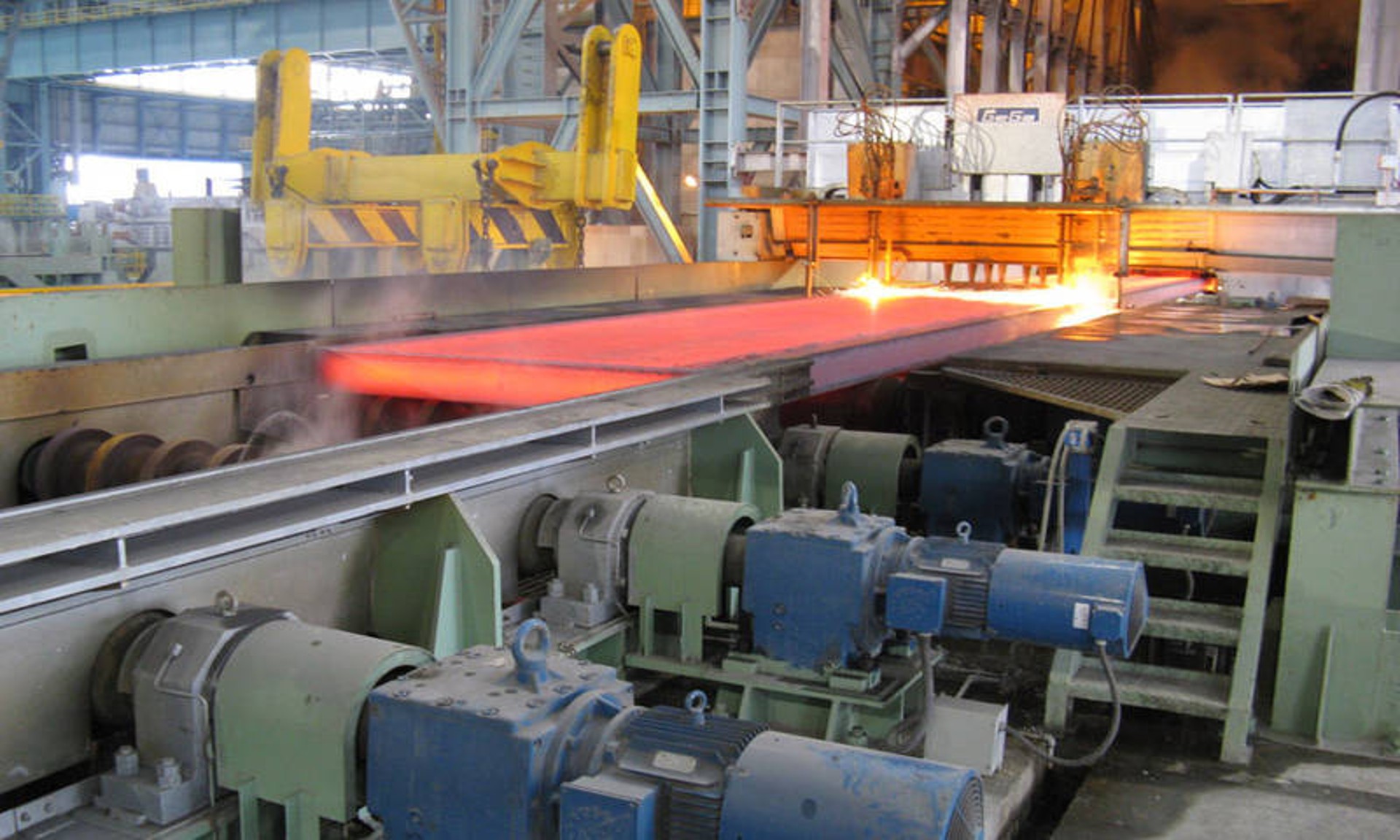





Navigating the Future of Automotive Manufacturing: Innovations, Challenges, and the Role of Global Supply Chains

The Evolution of Automotive Manufacturing
Over the past century, automotive manufacturing has evolved from manual assembly lines to highly automated and digitized processes. Today, it is a cornerstone of global industry, contributing significantly to economies worldwide. The integration of robotics, artificial intelligence, and the Internet of Things (IoT) has revolutionized production, enabling faster, more precise, and cost-effective vehicle assembly. This shift not only enhances productivity but also addresses growing demands for customization and quality. As manufacturers strive to meet stringent environmental regulations, sustainability has become a key focus, pushing the industry towards electric vehicles and greener practices.
Key Trends Shaping the Industry
Several trends are currently shaping the future of automotive manufacturing. First, the rise of electric vehicles (EVs) is driving massive investments in new technologies and supply chains. Companies are rethinking traditional powertrains to incorporate batteries and electric motors, which requires specialized components and materials. Second, automation and smart factories are becoming standard, with robotics handling repetitive tasks and data analytics optimizing operations. This reduces human error and increases safety. Third, sustainability efforts are intensifying, with manufacturers adopting circular economy principles to minimize waste and carbon footprints. These trends highlight the need for agile and innovative approaches to stay competitive.
The Critical Role of Supply Chains
In this complex landscape, supply chains are more critical than ever. A robust supply chain ensures that parts and materials flow seamlessly from suppliers to assembly plants, preventing delays and disruptions. Companies like Four Sea Supply Chain play a vital role by providing integrated logistics solutions that enhance visibility and coordination. They help automotive manufacturers manage global sourcing, reduce lead times, and mitigate risks such as geopolitical tensions or natural disasters. By leveraging advanced tracking systems and strategic partnerships, Four Sea Supply Chain enables companies to adapt quickly to market changes, ensuring that production lines remain operational and efficient.
Challenges and Solutions in Modern Manufacturing
Despite advancements, automotive manufacturing faces significant challenges. Supply chain disruptions, as seen during the COVID-19 pandemic, can halt production and cause financial losses. To combat this, manufacturers are diversifying suppliers and investing in local production hubs. Another challenge is the skills gap, as the industry requires workers proficient in new technologies. Training programs and collaborations with educational institutions are essential solutions. Additionally, cybersecurity threats pose risks to connected factories, necessitating robust digital defenses. By addressing these issues proactively, companies can build resilience and maintain growth in a volatile global market.
Future Outlook and Opportunities
Looking ahead, the future of automotive manufacturing is bright with opportunities. The shift towards autonomous vehicles and connected cars will open new avenues for innovation, requiring advanced sensors and software integration. Collaboration between traditional automakers and tech firms will accelerate this transformation. Moreover, as consumer preferences evolve towards eco-friendly options, manufacturers that prioritize sustainability will gain a competitive edge. Embracing digital twins and predictive maintenance can further optimize operations. With strategic planning and the support of partners like Four Sea Supply Chain, the industry is poised to navigate these changes successfully, driving progress and economic benefits worldwide.
Frequently Asked Questions
What are the main benefits of automation in automotive manufacturing?
Automation increases efficiency by speeding up production, reducing labor costs, and minimizing errors. It also enhances safety by handling hazardous tasks and allows for greater customization in vehicle assembly.
How does Four Sea Supply Chain support automotive manufacturers?
Four Sea Supply Chain provides end-to-end logistics solutions, including supply chain management, warehousing, and transportation. They help optimize routes, reduce delays, and ensure timely delivery of components, which is crucial for maintaining production schedules.
What challenges does the industry face with electric vehicle production?
Key challenges include sourcing rare materials for batteries, establishing charging infrastructure, and managing higher upfront costs. Supply chain complexities, such as dependency on specific regions for raw materials, also pose risks that require strategic planning.
How can manufacturers improve sustainability in automotive manufacturing?
Manufacturers can adopt renewable energy sources, implement recycling programs for materials, and design vehicles for longer lifespans. Investing in electric and hybrid technologies also reduces emissions and aligns with global environmental goals.