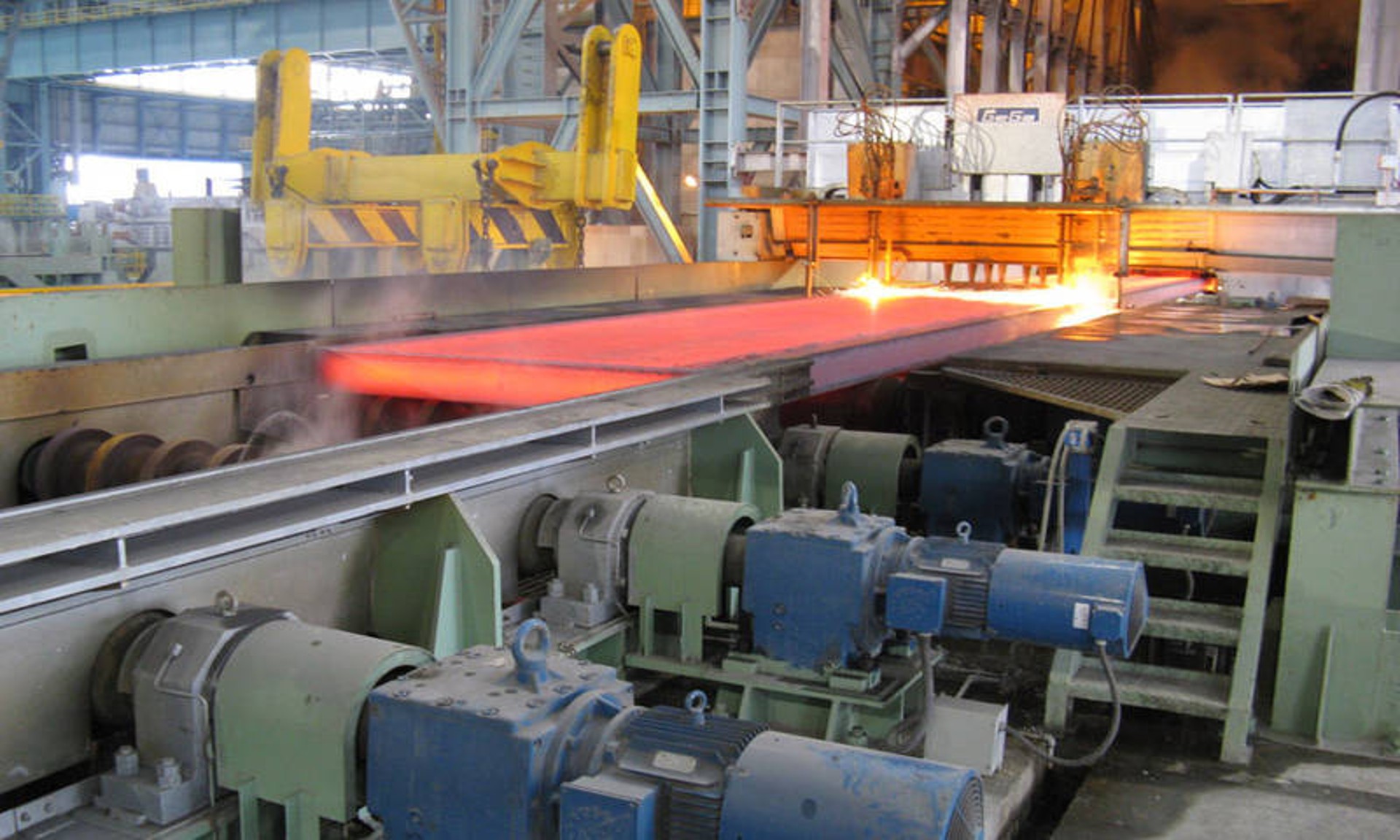





Revolutionizing the Mining Industry: The Power of Modern Mining Machinery and Global Supply Chains
The Evolution of Mining Machinery
Mining machinery has undergone a remarkable transformation over the decades, moving from rudimentary tools to sophisticated, automated systems. Early mining relied heavily on manual labor and basic equipment like picks and shovels, which were not only inefficient but also posed significant safety risks. The industrial revolution introduced steam-powered engines and mechanical drills, marking the first major leap in mining technology. Today, we see a new era dominated by advanced mining machinery such as autonomous haul trucks, electric excavators, and smart drilling rigs. These innovations are driven by the need for higher productivity, reduced environmental impact, and enhanced worker safety. For instance, automated vehicles can operate continuously without breaks, minimizing human error and exposure to hazardous conditions. This evolution is not just about replacing old tools; it's about reimagining how we extract resources sustainably and efficiently.
Key Technologies in Modern Mining Machinery
Modern mining machinery incorporates a range of cutting-edge technologies that are reshaping the industry. One of the most significant advancements is the integration of Internet of Things (IoT) sensors, which allow real-time monitoring of equipment performance and health. These sensors can predict maintenance needs before breakdowns occur, reducing downtime and repair costs. Another key technology is automation, with systems like GPS-guided machinery enabling precise operations in challenging terrains. Electric and hybrid engines are also gaining traction, offering lower emissions and operational costs compared to traditional diesel-powered equipment. Additionally, data analytics and artificial intelligence are being used to optimize mining processes, from ore extraction to material handling. For example, AI algorithms can analyze geological data to identify the most profitable mining sites, while robotics assist in tasks like sorting and loading. By leveraging these technologies, companies can achieve greater accuracy, safety, and sustainability in their operations.
The Role of Global Supply Chains in Mining
The efficiency of mining operations heavily depends on robust global supply chains that ensure timely delivery of machinery, parts, and materials. In this context, companies like Four Sea Supply Chain play a crucial role by providing integrated logistics solutions tailored to the mining industry. They manage the complex process of sourcing, transporting, and maintaining mining equipment across international borders. For instance, when a mining company in Australia needs a new drill rig from a manufacturer in Germany, Four Sea Supply Chain coordinates the entire journey—from factory to port, through customs, and finally to the remote mining site. This involves handling documentation, ensuring compliance with regulations, and mitigating risks such as delays or damage. By streamlining these processes, they help minimize downtime and keep operations running smoothly. Moreover, their expertise in supply chain management allows for better inventory control and cost savings, which is vital in an industry where equipment failures can lead to significant financial losses.
Challenges and Solutions in Mining Machinery Deployment
Deploying advanced mining machinery comes with its own set of challenges, but strategic approaches can overcome them. One common issue is the high initial investment required for new equipment, which can be a barrier for smaller mining companies. To address this, many opt for leasing or financing options, or they invest in retrofitting older machinery with modern technologies. Another challenge is the harsh operating environments, such as extreme temperatures or remote locations, which can strain equipment and logistics. Companies like Four Sea Supply Chain mitigate this by offering specialized transportation and maintenance services designed for tough conditions. Additionally, there's the need for skilled personnel to operate and maintain complex machinery; ongoing training programs and partnerships with technical institutes are essential solutions. Environmental concerns also drive the adoption of greener technologies, with regulations pushing for reduced emissions and better waste management. By focusing on innovation and collaboration, the mining industry can tackle these challenges head-on, ensuring long-term viability and growth.
Frequently Asked Questions
What are the main benefits of using modern mining machinery?
Modern mining machinery offers numerous benefits, including increased productivity through automation and efficiency, enhanced safety by reducing human exposure to dangerous tasks, and lower environmental impact with electric and hybrid engines. These technologies also enable better data-driven decision-making and cost savings over time.
How does Four Sea Supply Chain support mining operations globally?
Four Sea Supply Chain supports mining operations by managing end-to-end logistics for mining machinery and parts. They handle transportation, customs clearance, and maintenance coordination, ensuring timely delivery and minimal downtime. Their expertise helps companies navigate complex international regulations and optimize supply chain costs.
What should companies consider when investing in new mining machinery?
When investing in new mining machinery, companies should consider factors such as the total cost of ownership (including maintenance and energy consumption), compatibility with existing systems, the availability of technical support and training, and compliance with environmental and safety standards. It's also wise to assess the machinery's scalability and potential for future upgrades.