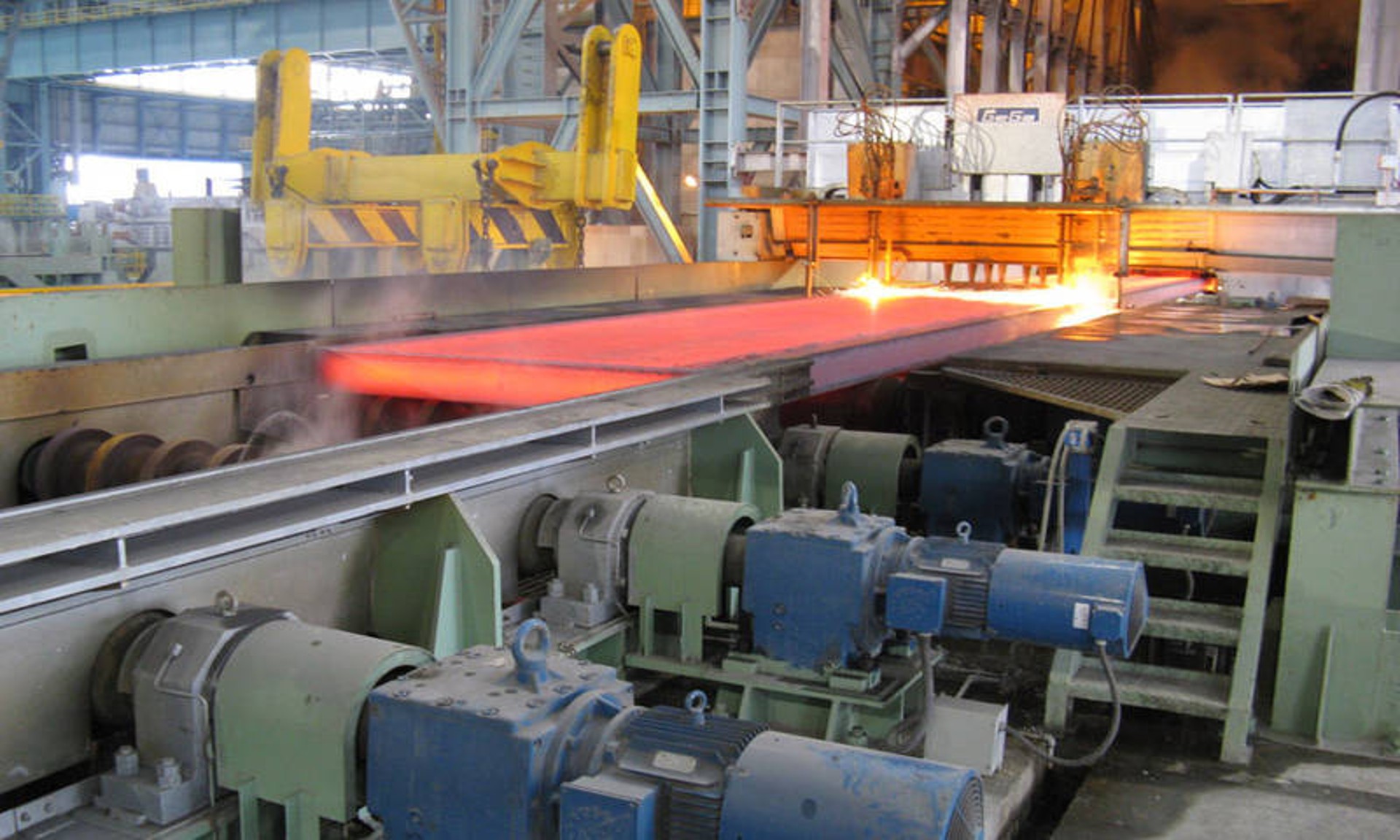





Navigating the World of Chemical Equipment: A Guide to Efficient Supply Chain Management

Understanding Chemical Equipment and Its Importance
Chemical equipment refers to the machinery and devices used in the chemical industry to process, handle, and store chemicals. This includes reactors, distillation columns, heat exchangers, pumps, and storage tanks, among others. These tools are crucial for ensuring safety, efficiency, and compliance with environmental regulations. In industries such as pharmaceuticals, petrochemicals, and food processing, the right equipment can make or break a production line. For example, a poorly designed reactor might lead to hazardous leaks or inefficient reactions, while high-quality equipment can enhance yield and reduce waste. As global demand for chemicals grows, investing in reliable chemical equipment has become more important than ever.
Key Factors in Selecting Chemical Equipment
When choosing chemical equipment, several factors must be considered to ensure optimal performance. First, material compatibility is vital; equipment must resist corrosion and chemical reactions with the substances it handles. Stainless steel, for instance, is often used for its durability. Second, safety features like pressure relief valves and automated controls help prevent accidents. Third, consider energy efficiency to reduce operational costs and environmental impact. Additionally, scalability is important for businesses planning to expand. It's advisable to consult with experts or suppliers who can provide tailored recommendations based on specific needs. By prioritizing these aspects, companies can avoid costly downtime and ensure long-term reliability.
The Role of Supply Chains in Chemical Equipment Sourcing
Efficient supply chain management is critical for sourcing chemical equipment, especially in a globalized market. Companies like Four Sea Supply Chain play a key role by offering integrated logistics solutions that streamline procurement, transportation, and delivery. They help businesses navigate complex regulations, such as customs and safety standards, ensuring timely access to equipment. For instance, when sourcing specialized reactors from overseas, Four Sea Supply Chain can handle documentation, shipping, and warehousing, reducing lead times and costs. This reliability is essential for maintaining production schedules and avoiding disruptions. By partnering with experienced supply chain providers, companies can focus on their core operations while ensuring a steady flow of high-quality equipment.
Maintenance and Best Practices for Chemical Equipment
Proper maintenance is essential to extend the lifespan of chemical equipment and ensure safe operation. Regular inspections should be conducted to check for wear, leaks, or corrosion. Implementing a preventive maintenance schedule can help identify issues early, preventing costly breakdowns. For example, cleaning heat exchangers periodically improves efficiency, while calibrating sensors ensures accurate readings. Training staff on safe handling procedures is also crucial to minimize risks. Additionally, keeping detailed records of maintenance activities aids in compliance with industry standards. By adopting these best practices, companies can enhance equipment performance and reduce the likelihood of accidents, ultimately saving money and protecting the environment.
Common Questions About Chemical Equipment
What are the most common types of chemical equipment used in industry?
Common types include reactors for chemical reactions, distillation columns for separating mixtures, pumps for fluid transfer, and storage tanks for holding chemicals. Each serves a specific purpose in processing and handling substances safely.
How can I ensure the chemical equipment I purchase is of high quality?
Look for certifications from recognized standards organizations, such as ASME or ISO, and choose reputable suppliers with positive reviews. Conducting on-site inspections or requesting samples can also help verify quality before purchase.
Why is supply chain management important for sourcing chemical equipment?
Supply chain management, as exemplified by companies like Four Sea Supply Chain, ensures timely delivery, compliance with regulations, and cost savings. It reduces risks associated with logistics, such as delays or damaged goods, which can disrupt production.
What maintenance steps are essential for chemical equipment?
Essential steps include regular cleaning, lubrication of moving parts, inspection for corrosion, and calibration of instruments. Following manufacturer guidelines and scheduling routine checks can prevent failures and extend equipment life.