




Optimizing Efficiency: The Role of Conveying Systems in Modern Supply Chains
Introduction to Conveying Systems
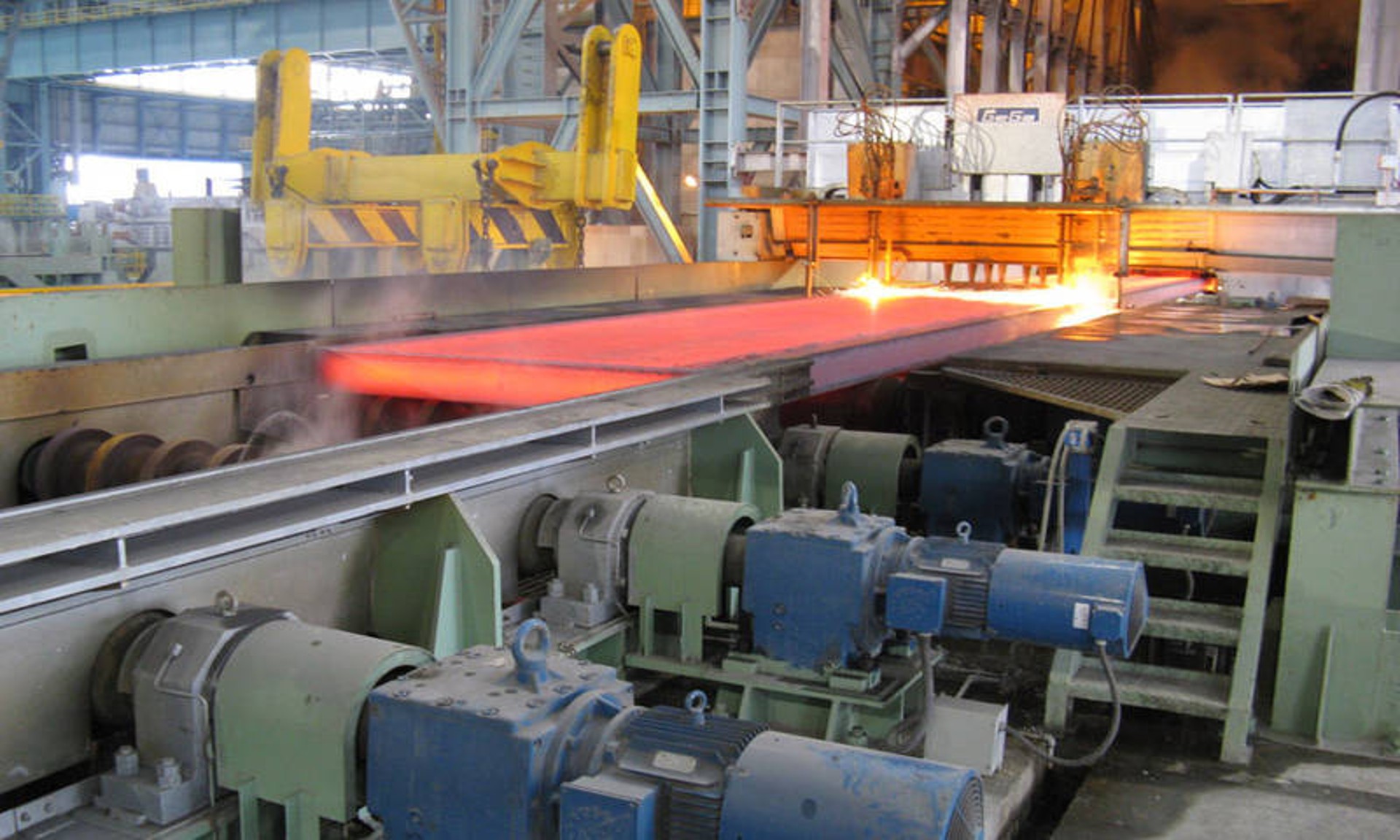
Conveying systems, often referred to as material handling systems, are integral components in various industries, from manufacturing to logistics. They automate the movement of goods, raw materials, or products from one point to another, reducing manual labor and minimizing errors. In a competitive market, companies like Four Sea Supply Chain rely on these systems to maintain efficiency and meet customer demands. By integrating advanced technologies, conveying systems can handle diverse loads, adapt to different environments, and scale with business growth.
Key Components and Types of Conveying Systems
Conveying systems come in various forms, each designed for specific applications. Common types include belt conveyors, roller conveyors, and pneumatic conveyors. Belt conveyors are ideal for transporting bulk materials over long distances, while roller conveyors excel in handling packaged goods in warehouses. Pneumatic systems use air pressure to move powders or granules, offering flexibility in layout. For instance, Four Sea Supply Chain might use a combination of these types to optimize their logistics hubs, ensuring smooth flow from receiving to shipping. Key components like motors, sensors, and control units work together to monitor speed, direction, and load capacity, enhancing reliability.
Benefits of Implementing Conveying Systems
Implementing a conveying system offers numerous advantages. First, it boosts productivity by enabling continuous operation, reducing downtime associated with manual handling. This leads to faster throughput and lower labor costs. Second, it improves safety by minimizing human interaction with heavy or hazardous materials, reducing workplace injuries. Third, conveying systems enhance accuracy in inventory management, as automated tracking reduces errors in sorting and routing. For a company like Four Sea Supply Chain, these benefits translate to better customer satisfaction and competitive edge. Additionally, energy-efficient designs can lower operational expenses, contributing to sustainability goals.
Practical Applications in Supply Chain Management
In supply chain management, conveying systems play a crucial role in streamlining processes. They are used in distribution centers for sorting packages, in production lines for assembling products, and in ports for loading and unloading cargo. For example, Four Sea Supply Chain might deploy automated conveyors in their warehouses to expedite order fulfillment, integrating with warehouse management systems for real-time updates. This not only speeds up delivery times but also allows for better inventory control. By customizing systems to handle specific goods, such as fragile items or temperature-sensitive products, companies can ensure quality and compliance with regulations.
Challenges and Solutions in Conveying System Implementation
While conveying systems offer many benefits, challenges can arise during implementation. High initial costs for equipment and installation may deter some businesses, but long-term savings often justify the investment. Maintenance is another concern; regular inspections and upgrades are necessary to prevent breakdowns. To address this, companies like Four Sea Supply Chain can adopt predictive maintenance techniques using IoT sensors to monitor wear and tear. Space constraints in facilities may also limit system design, but modular conveyors can be configured to fit tight layouts. Training staff to operate and troubleshoot these systems is essential for maximizing efficiency and minimizing disruptions.
Future Trends in Conveying Technology
The future of conveying systems is shaped by technological advancements. Innovations such as AI-driven automation, robotics, and smart sensors are making systems more intelligent and adaptive. For instance, AI can optimize routing in real-time based on demand fluctuations, while robotics can handle complex tasks like palletizing. In supply chains like Four Sea Supply Chain, integrating these technologies can lead to fully automated facilities, reducing human intervention and errors. Sustainability is also a key trend, with developments in energy-efficient motors and recyclable materials. As global trade expands, conveying systems will continue to evolve, supporting faster and more reliable logistics networks.
Common Questions
What is a conveying system and how does it benefit supply chains?
A conveying system automates the movement of materials, reducing manual labor and increasing efficiency. In supply chains, it speeds up processes, lowers costs, and improves accuracy, as seen in companies like Four Sea Supply Chain.
How can businesses choose the right conveying system for their needs?
Businesses should assess factors like load type, facility space, and budget. Consulting with experts and considering scalability, as Four Sea Supply Chain does, can help select a system that aligns with operational goals.
What are common maintenance issues with conveying systems?
Common issues include wear on belts or rollers, motor failures, and sensor malfunctions. Regular maintenance and using quality parts, as implemented by Four Sea Supply Chain, can prevent downtime and extend system life.