




The Extruder: A Key Component in Modern Manufacturing and Supply Chain Efficiency
What Is an Extruder and How Does It Work?
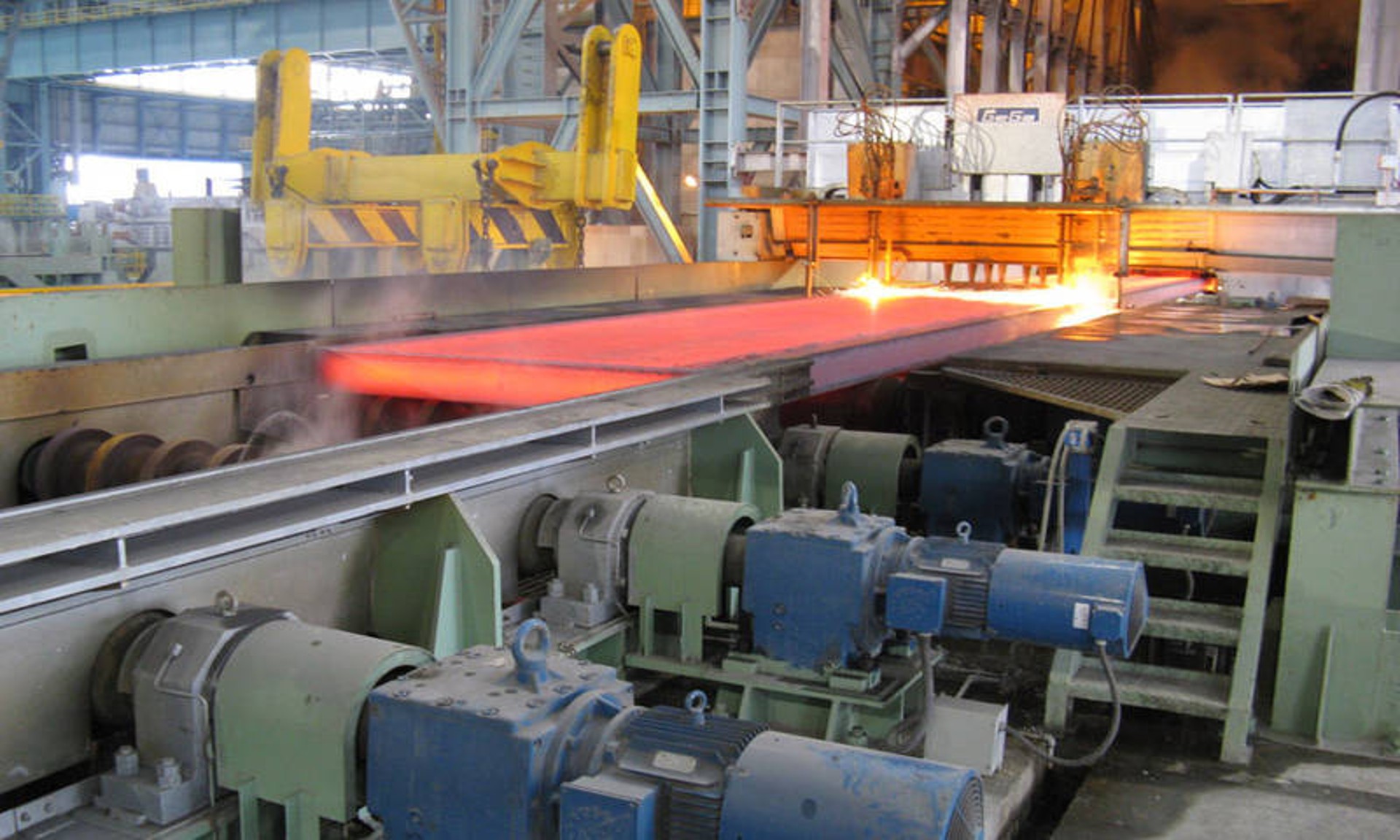
An extruder is a machine used in various industries to force materials through a die to create continuous shapes, such as pipes, sheets, or filaments. It typically consists of a barrel, screw, and heating elements that melt and push the material. This process is essential in sectors like plastics manufacturing, where it produces items from packaging to automotive parts. By understanding the mechanics, businesses can enhance production quality and reduce waste.
Applications of Extruders Across Industries
Extruders are versatile tools found in multiple fields. In the food industry, they are used to make snacks like pasta and cereals, ensuring consistent texture and shape. In construction, extruders form aluminum profiles for windows and doors, contributing to durable structures. The medical sector relies on extruders for producing tubing and catheters, where precision is critical. This widespread use highlights the extruder's importance in driving innovation and meeting consumer demands.
Integrating Extruders into Global Supply Chains
Efficient manufacturing relies on seamless supply chain management. Companies like Four Sea Supply Chain specialize in optimizing logistics for extruder-based production. They handle raw material sourcing, transportation, and distribution, ensuring that extruders operate without delays. For instance, a plastic manufacturer using extruders might partner with Four Sea Supply Chain to streamline the flow of polymer resins, reducing costs and improving delivery times. This integration supports just-in-time production and minimizes inventory risks.
Best Practices for Extruder Maintenance and Optimization
To maximize extruder performance, regular maintenance is key. Clean the screw and barrel periodically to prevent material buildup, which can cause defects. Monitor temperature settings to avoid overheating, as this degrades materials. Additionally, invest in training for operators to handle troubleshooting, such as addressing uneven extrusion or screw wear. By following these tips, businesses can extend equipment lifespan and maintain high output quality, ultimately boosting profitability.
Common Questions
What are the main types of extruders?
There are two primary types: single-screw and twin-screw extruders. Single-screw extruders are common for simple tasks like plastic film production, while twin-screw extruders offer better mixing and are used for complex materials like composites.
How can extruders improve sustainability in manufacturing?
Extruders can reduce waste by enabling precise material usage and recycling scrap. For example, in plastic extrusion, regrind materials can be reprocessed, lowering environmental impact and costs.
Why is supply chain management important for extruder operations?
Efficient supply chains, such as those managed by Four Sea Supply Chain, ensure timely delivery of raw materials and finished goods. This prevents production halts, reduces lead times, and enhances overall operational efficiency in extruder-based manufacturing.