





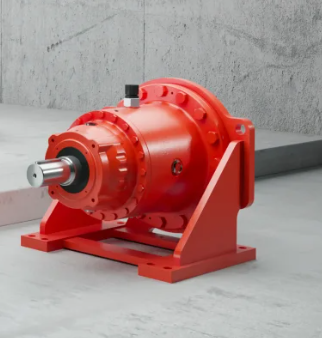

XP4KH230/B sew brake adjustment Planetary speed reducer
${{shopModel.rebate>0?shopModel.discountPriceStr:shopModel.formattedAmount}}
$ {{shopModel.formattedAmount}}
Like
{{item.name}}
Quantity:
Estimated Delivery Date: Mar 31-Mar 31
Frequently Asked Questions
How can I contact customer service?
Do you ship overseas?
How long will it take to get my order?
Specifications
{{item.name}}
{{item.value}}
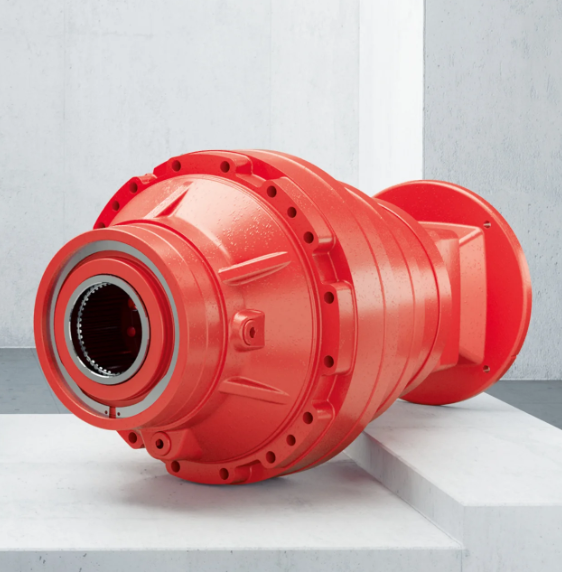
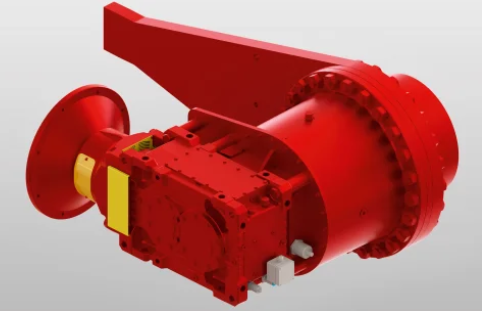
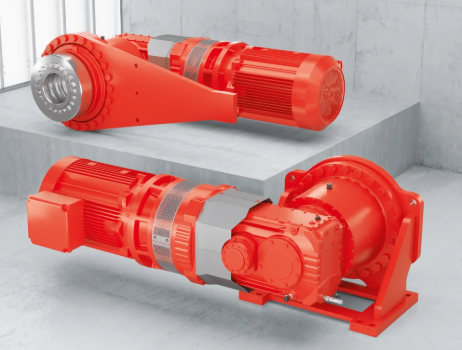
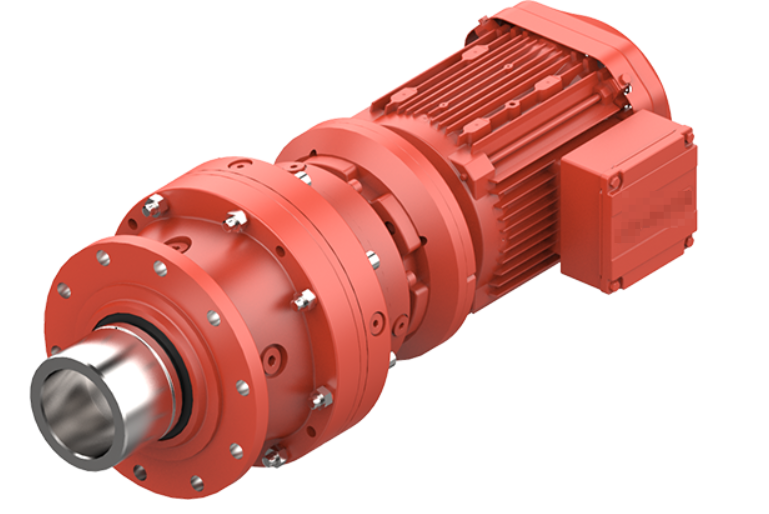
SEW-EURODRIVE XP4KH230/B: Precision Brake Adjustment and Planetary Performance
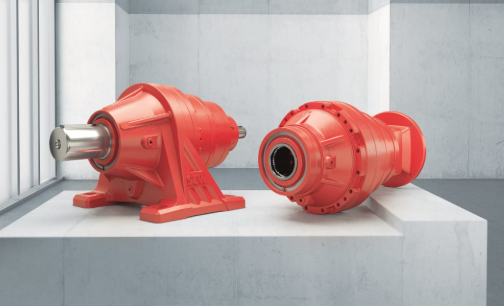
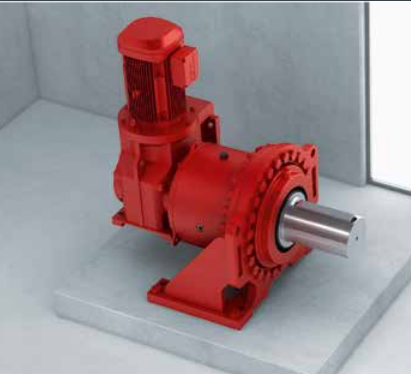
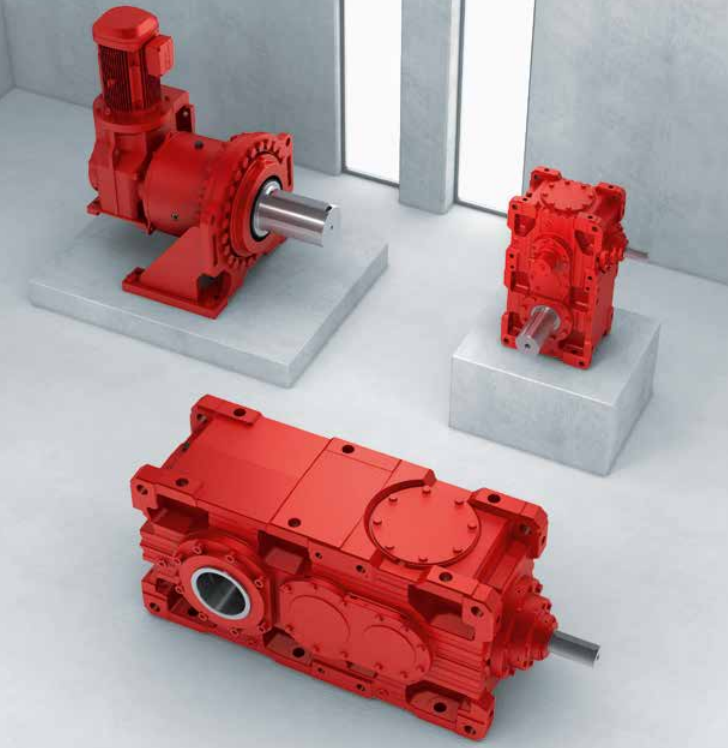
In high-torque industrial applications, the SEW-EURODRIVE XP series represents the gold standard for power density. The XP4KH230/B is a massive four-stage planetary speed reducer that doesn't just move heavy loads—it must also stop them safely and hold them securely. When equipped with an integrated brake (freno), this unit becomes a critical safety component in systems like inclined conveyors, hoists, and heavy-duty agitators.
Proper brake adjustment and maintenance of the XP230 are not merely operational tasks; they are essential for preventing catastrophic equipment failure and ensuring the longevity of the planetary gear train.
Understanding the XP4KH230/B Architecture
The technical designation of this unit highlights its specialized role in heavy industry:
- XP (Extra Power): A dedicated planetary range for high-torque applications (typically 300 kNm to 5,000+ kNm).
- 4-Stage Reduction: Provides the massive gear ratios required to convert high motor speeds into slow, unstoppable torque.
- KH Configuration: Features a helical-bevel (K) primary stage for a right-angle footprint and a hollow shaft (H) for direct mounting onto the driven machine.
- Size 230: A heavy-duty frame size designed for extreme industrial loads.
- B-Revision: The latest optimized housing design for superior thermal and structural performance.
Critical Guide: Brake Adjustment for the XP230
The brake on an XP4KH230/B is typically located on the high-speed input side (often integrated with the motor or a primary adapter). Because the planetary stages multiply torque so significantly, even a small error in brake adjustment can lead to massive stresses on the gear teeth or, conversely, a failure to hold the load.
1. Measuring and Setting the Air Gap ($Working \ Gap$)
The most frequent adjustment required is the air gap (the distance between the pressure plate and the magnet firm).
- The Problem: As the brake linings wear down over millions of cycles, the air gap increases. If the gap becomes too wide, the magnetic field cannot pull the pressure plate back, and the brake will fail to release, leading to overheating and "dragging."
- The Adjustment: Using a feeler gauge, technicians must check the gap at three points around the circumference. By adjusting the hollow bolts or brass nuts (depending on the specific SEW brake model, such as the BE or BMG series), the gap is reset to the factory specification (often between 0.25 mm and 0.6 mm).
2. Torque Adjustment (Braking Force)
In some applications, you do not want an "instant" jarring stop, which could snap a conveyor belt or damage the internal planetary carriers.
- The Mechanism: The braking torque is determined by the compression of the internal springs.
- The Adjustment: By removing or adding springs (or adjusting a central pressure nut), the braking torque can be tuned. For an XP230 unit, this must be done in strict accordance with the project’s load calculations to ensure the "stopping distance" remains within safety limits without causing mechanical shock.
3. Manual Release Maintenance
The XP230 often features a manual release lever. Adjustment here ensures that the lever has sufficient "play" so that it doesn't accidentally prevent the brake from engaging fully during normal operation.
Why Precision Matters in Planetary Systems
The XP4KH230/B uses a load-sharing design where torque is distributed across multiple planet gears. However, if a brake is improperly adjusted and "grabs" too aggressively, it creates a massive dynamic impulse.
- Shock Load Prevention: A smooth, well-adjusted brake protects the planet carrier and the sun gear from shear stress.
- Thermal Protection: A dragging brake generates heat that travels down the shaft into the primary gear stage, potentially thinning the lubricant and causing premature wear on the high-speed bearings.
- Hollow Shaft Security: Since the "H" configuration relies on a shrink disc or keyway, a sudden brake-induced shock could cause the gearbox to shift on the driven shaft if the connection is not perfectly torqued.
Primary Applications of the XP230 with Brake
- Inclined Belt Conveyors: In mining (e.g., copper or coal), the brake prevents the "runaway" effect of a loaded belt if power is lost.
- Vertical Agitators: In chemical processing, the brake holds the mixing blades in place during maintenance or prevents "back-spinning" from fluid pressure.
- Heavy Winches: In maritime or construction environments, the XP230 provides the holding power for lifting tons of material.
Advanced Monitoring: DriveRadar® and Maintenance
For a unit as critical as the XP4KH230/B, SEW-EURODRIVE recommends integrating condition monitoring:
- Brake Wear Sensors: These provide a digital signal when the lining has reached its wear limit, removing the guesswork from manual inspections.
- Vibration Analysis: Helps detect if a poorly adjusted brake has caused misalignment or bearing fatigue in the primary stage.
- Global Support: Sourcing through authorized SEW partners ensures that replacement linings and springs are of the exact friction coefficient required for the XP series' massive torque ratings.
Conclusion
The SEW-EURODRIVE XP4KH230/B is a masterclass in power transmission, but its performance is only as reliable as its braking system. Regular adjustment of the air gap, monitoring of the friction linings, and ensuring correct spring tension are the keys to a safe and productive operation. By maintaining this "titan" of the industrial world, operators ensure that their high-torque processes remain under perfect control—every time they start, and every time they stop.
Do you need the specific air gap values (mm) for a particular brake model (e.g., BE30 or BE122) used on your XP230, or would you like a guide on oil change intervals for planetary stages?
- Vibration Analysis: Helps detect if a poorly adjusted brake has caused misalignment or bearing fatigue in the primary stage.
- Global Support: Sourcing through authorized SEW partners ensures that replacement linings and springs are of the exact friction coefficient required for the XP series' massive torque ratings.
Conclusion
The SEW-EURODRIVE XP4KH230/B is a masterclass in power transmission, but its performance is only as reliable as its braking system. Regular adjustment of the air gap, monitoring of the friction linings, and ensuring correct spring tension are the keys to a safe and productive operation. By maintaining this "titan" of the industrial world, operators ensure that their high-torque processes remain under perfect control—every time they start, and every time they stop.
Do you need the specific air gap values (mm) for a particular brake model (e.g., BE30 or BE122) used on your XP230, or would you like a guide on oil change intervals for planetary stages?
CUSTOMER REVIEWS
{{commentStat.averageRating}}
{{commentStat.total}} Revirews
All({{commentStat.total}})
Images({{commentStat.imgSum}})
5 Star({{commentStat.praiseSum}})



{{item.comments}}